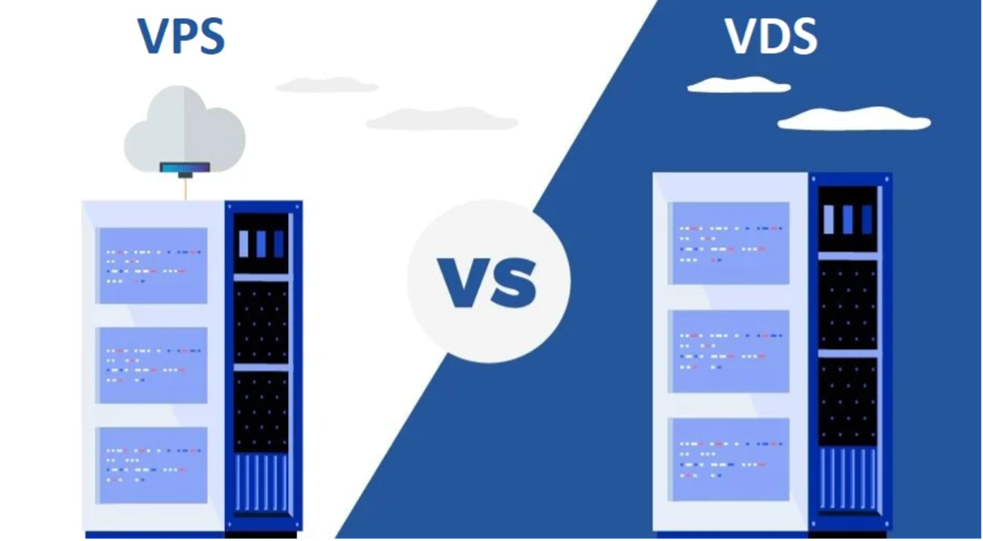
There are many website hosting solutions available in the market. While browsing through different hosting options, you are most likely to come across Virtual Dedicated Server (VDS) and Virtual Private Server (VPS).
Both these hosting solutions have gained popularity in the web hosting world. But which one is the better hosting solution? Regardless of the type of website you are running, having a reliable web hosting solution is essential.
Understanding the difference between virtual server hosting and virtual dedicated server hosting can help you choose the best between the two.
What Is VPS?
The Virtual Private Server uses the virtualisation technology to split a physical server into several virtual servers. Each virtual server acts as an independent server with its operating system, functioning, and resources. Each virtual server hosts a separate website. The best VPS hosting plan can be used for websites that have outgrown shared hosting.
What Is VDS?
Referred to as the Virtual Dedicated Server. It is a hosting solution that is quite similar to VPS hosting. However, the main difference between the two is resource allocation. With VDS hosting, each virtual server receives dedicated resources from the physical servers, which are not shared by other servers. This results in greater stability, control, and performance
VDS vs VPS: Key Differences
| Aspects | VPS Hosting | VDS Hosting |
Resources | Physical resources (RAM, disk space, CPU) are shared between multiple virtual private servers. When resources are used excessively by a single virtual server, it impacts the performance of other servers negatively. | Guaranteed resources are dedicated to each virtual server. Dedicated resources ensure enhanced reliability and performance. |
Pricing | Less expensive in comparison to VDS hosting. Shares the same physical resources between several VPS servers, lowering the overall server cost. | More expensive in comparison to VPS hosting.Each virtual server gets dedicated resources allotted to them; this increases the overall server cost. |
Performance | Provides adequate performance for small and medium-sized applications or websites.Shared resources may affect the virtual private server’s performance in case of a surge in website traffic. | Provides better performance in comparison to VPS hosting because of dedicated resources. It offers consistent performance regardless of the website’s traffic and resource usage. |
Security | Provides overall good security, however, shared environments may increase the risk of security issues. Security issues of one server can impact the security of other servers since they share the same physical resources. | Provides better security in comparison to VPS hosting because of resource isolation and dedicated resources.Security issues of other servers will not affect the security of your server. |
Control And Flexibility | Provides a level of control that allows you to configure server settings and install custom software.Does not offer root access for complete control over server configuration and operating system.Therefore, VPS hosting provides limited control and flexibility. | Provides complete control over the server environment.Allows you to configure server settings, deploy specific security features, and install custom software.Therefore, VDS hosting provides complete control and flexibility without limitations. |
To Wrap It Up
When choosing between a Virtual Private Server and a Virtual Dedicated Server, there are a few things you should consider like – performance requirements, the level of control required, budget, and security issues.
Remember that the priority should be finding a hosting solution that fits your hosting requirements. Therefore, carefully assess both the hosting options and see which one aligns with your hosting needs.






:max_bytes(150000):strip_icc()/midsection-businessmen-analyzing-charts-on-laptop-in-office-1128046391-4d6016296f824cd48bf762d5824e49e4.jpg "Advanced Stock Screening: Using Quantitative Methods for Stock Selection")