Introduction to Wine Tasting
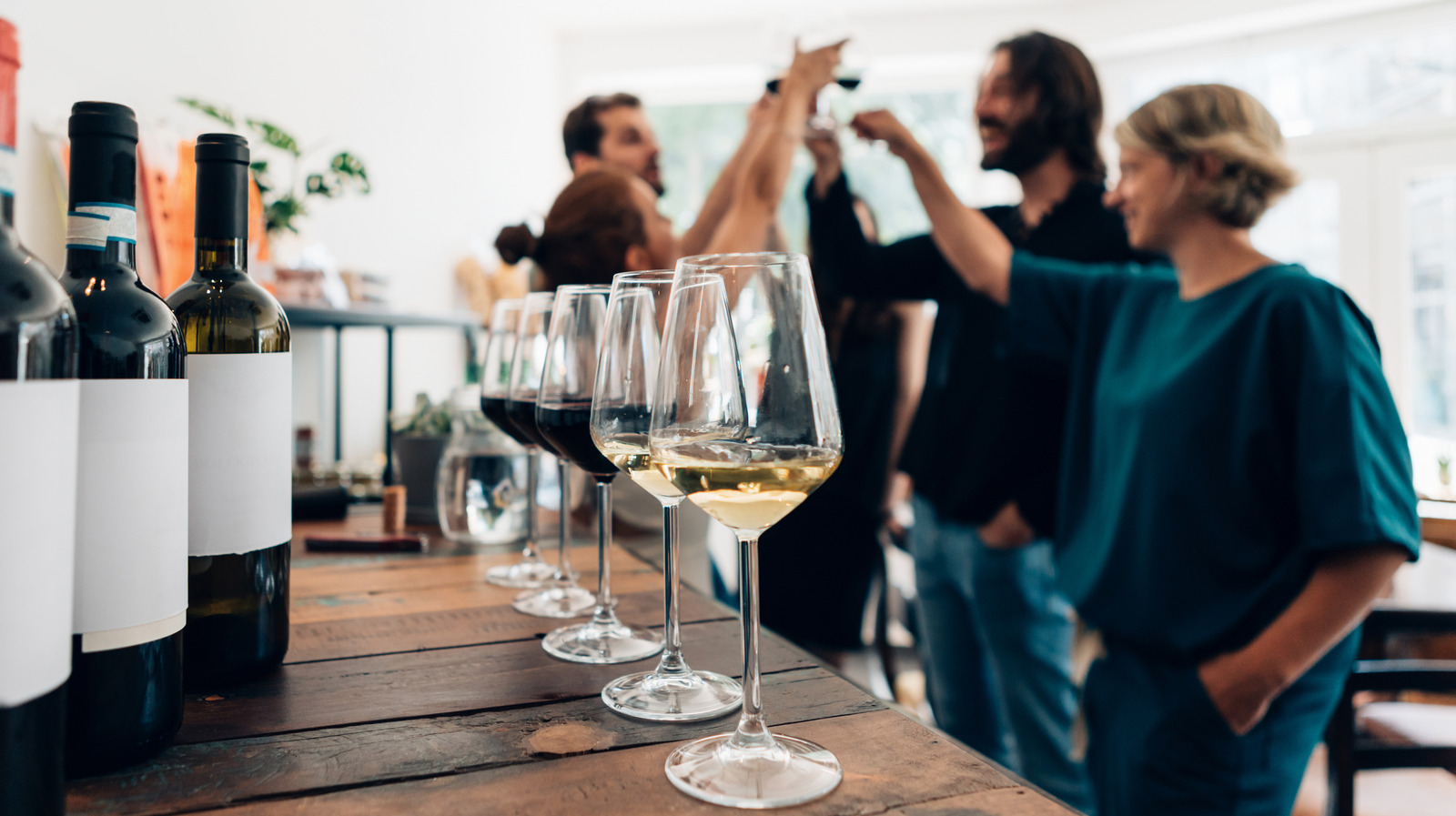
The art of wine tasting is a sensory experience that combines the appreciation of wine’s complexities with social enjoyment. Hosting a wine-tasting party can be a delightful way to share this experience with friends and family. Whether you’re a novice or an experienced enthusiast, a well-organized wine-tasting event provides a unique opportunity to explore different varieties and develop a deeper understanding of the nuances of wine. It’s not just about the flavors but also the stories behind each bottle that can enrich and make the experience memorable.
Preparation is critical to ensuring a seamless and enjoyable event. Among the various elements to consider is the convenience of liquor delivery services, such as liquor delivery Chicago IL, which can save you time and effort by bringing the desired selections directly to your doorstep. This simplifies the process and ensures you can access a wide range of choices without the hassle of visiting multiple stores.
Planning Your Wine Tasting Party
Start by determining a date and time that works for your guests. Decide if the event will be casual or formal, and plan your guest list accordingly. Send out invitations well in advance, providing all the necessary details, such as the dress code, RSVP options, and an overview of what the evening will entail. You could use digital invitations for a more modern touch or traditional paper ones for a more personal feel.
Consider the number of guests to ensure everyone can comfortably participate in the tasting. A smaller group of 6-10 people is ideal for a more intimate and manageable experience. This allows for meaningful discussions and makes it easier for everyone to engage. Follow up on RSVPs to get a proper headcount and arrange seating and tasting supplies.
Choosing the Right Wines
Selecting wines showcasing different regions and grapes is essential for a well-rounded tasting experience. Aim for a mix of red, white, and sparkling wines to cater to all preferences. Consider visiting local wineries or selecting well-reviewed options from trusted sources. This adds diversity and educates your guests on the vast range of wine flavors and styles available. Highlighting local and international wines can provide a broader perspective and appreciation for what different terroirs bring.
For beginners, selecting wines with distinct characteristics, such as a robust Cabernet Sauvignon, a crisp Sauvignon Blanc, or a refreshing Prosecco, might be helpful. This ensures that guests can quickly identify and appreciate the differences between each type. You could also include a dessert or fortified wine like Port to round off the tasting menu. This will allow a complete tasting experience from the aperitif to the dessert wine.
Essential Tasting Accessories
Ensure you have the right accessories, such as wine glasses, decanters, and corkscrews. Proper glassware enhances the tasting experience by allowing the wine’s aroma and flavor to develop fully. Having enough clean glasses for each wine type prevents flavor contamination and will enable guests to compare wines side by side. Consider opting for glassware designed for various types of wine; for example, more giant bowls for reds can help aerate the wine, while narrower glasses for whites can concentrate the aroma.
Other useful accessories include wine pourers or aerators, which help to improve the flavor by exposing the wine to air, and foil cutters for easy access to bottled wines. Wine charms can be a fun addition, helping guests keep track of their glasses, especially in larger gatherings. It might also be beneficial to have some spittoons available for those who wish to taste without consuming too much alcohol.
Wine and Food Pairing Basics
Food can significantly impact the tasting experience. Provide a selection of cheeses, fruits, and breads that complement the wines. Educate yourself on basic wine and food pairing principles to harmonize the flavors. For instance, rich, fatty foods pair well with high-acid wines, while sweet wines contrast beautifully with salty dishes.
Offer a variety of pairings so guests can experiment and discover their preferences. Consider providing tasting notes or pairing suggestions to guide your guests. Including cured meats, olives, nuts, and chocolates can give a broader range of pairing options and enhance the overall tasting experience. Setting up pairing stations where guests can try different combinations can make the event more engaging and educational.
Creating a Tasting Atmosphere
A comfortable and inviting environment can elevate the overall experience. Set up a cozy area with adequate seating and lighting. Play soft music in the background to create a relaxed ambiance. Consider using tablecloths and decorative elements that match the theme of the evening, whether that’s a rustic Italian vibe or a chic modern setting. Proper ambiance sets the tone for the evening and can make the tasting experience more enjoyable.
Make sure there’s enough space for guests to move around and socialize. A well-organized tasting space helps to encourage mingling and conversation, which are critical components of a successful wine-tasting party. You could also set up a photo booth or designated area for taking pictures to add fun to the evening. The more relaxed and enjoyable the environment, the more your guests will feel comfortable engaging and participating.
Tasting Procedures and Etiquette
Guide your guests through the proper tasting procedures: observing the color, swirling the wine, smelling the aroma, and finally tasting. Discuss the etiquette and techniques of wine tasting to ensure everyone gets the most out of each glass. Explain the importance of taking small sips and noting the wine’s characteristics, such as sweetness, acidity, and tannins.
Please encourage your guests to share their thoughts and observations after each tasting. This makes the experience more interactive and helps everyone learn from each other. Provide scorecards or tasting sheets for guests to jot down their impressions. This can facilitate discussions and make tasting more educational. Explaining the significance of different wine aromas and flavors can add depth to the tasting experience.
Engaging Your Guests
Encouraging discussion and sharing impressions can make the event more interactive and enjoyable. Consider incorporating games or quizzes related to wine to keep the atmosphere lively and engaging. For example, you could have a blind-tasting challenge where guests try to identify the type of wine or the region it comes from. This can be both fun and educational, adding an element of excitement to the evening.
Another fun idea is to provide scorecards for guests to rate each wine. At the end of the evening, you can compare the results and see which wines were the favorites. This creates fun competition and keeps everyone engaged throughout the event. Providing small prizes for correct guesses or the highest scores can make the games more competitive and enjoyable. By creating an interactive and engaging environment, you ensure that your guests will leave with memorable experiences and a newfound appreciation for the world of wine.




:max_bytes(150000):strip_icc()/midsection-businessmen-analyzing-charts-on-laptop-in-office-1128046391-4d6016296f824cd48bf762d5824e49e4.jpg "Advanced Stock Screening: Using Quantitative Methods for Stock Selection")